
What if the strongest disease prevention solutions are the ones communities can lead and sustain themselves?
For NALA, sustainability is not only about whether a water system is working when a programme ends. It is about whether the knowledge, skills and local structures are there to keep it working in the years that follow.
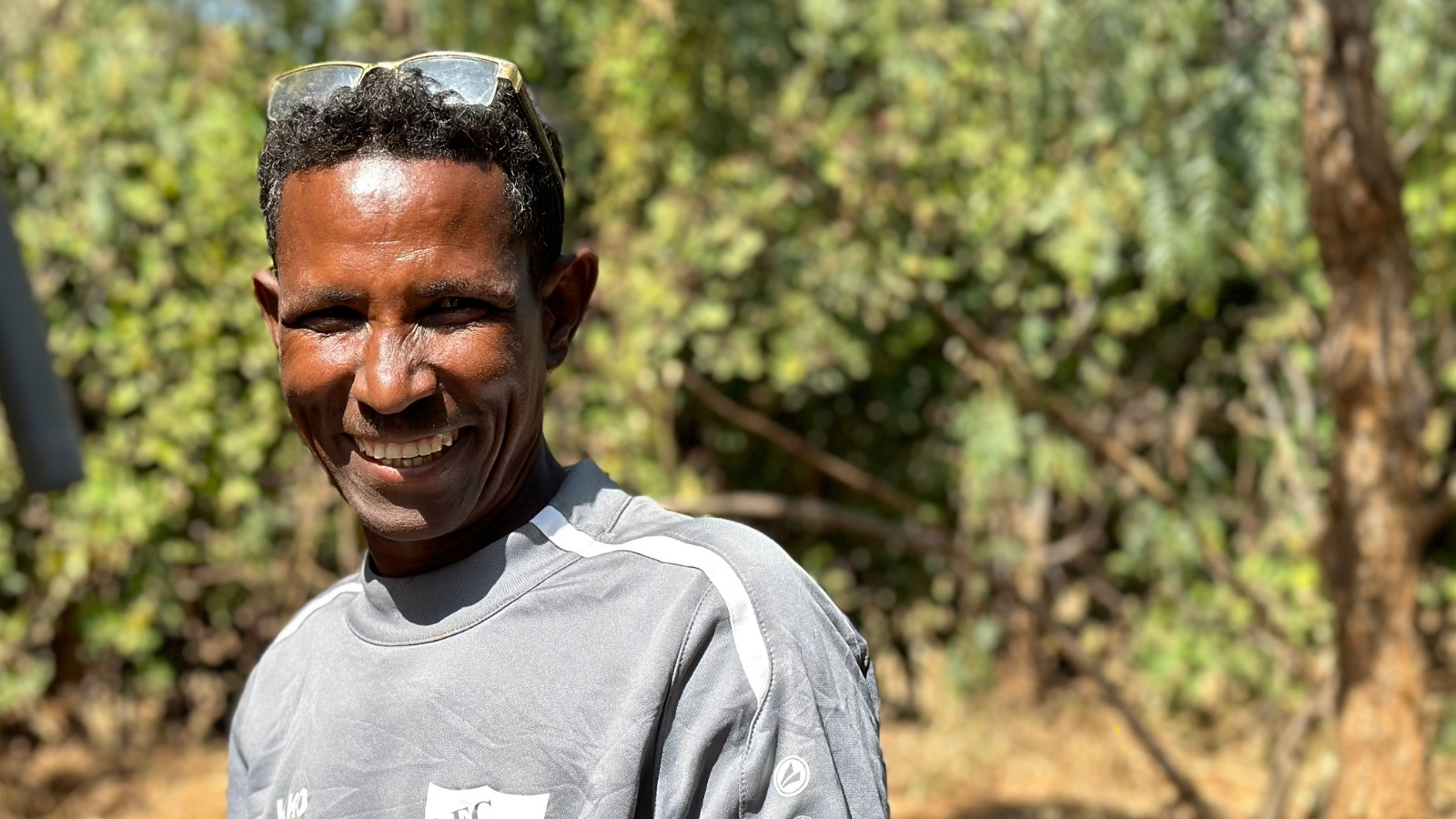
In Adwa, northern Ethiopia, Birhane Hagose is showing what that can look like in practice.
Birhane is a NALA WASH Fellow, working alongside schools and communities in Adwa. Through NALA’s WASH maintenance training, he strengthened practical skills in areas such as teamwork, tool management and the maintenance of water systems. Just as importantly, he describes learning from the professional approach of NALA’s technical team and taking those lessons back into his own work.
For Birhane, the value of the training became clear when a real problem needed solving.
Five years without water
At Maryam Wella Primary School in Tabia Semeret, the school’s hand pump had not been functioning for five years. Several components were broken, leaving students without access to clean water at school.
The consequences went beyond a technical problem. Without functioning water, maintaining good hygiene becomes much harder, and the school reported concerns about students’ health and absenteeism.
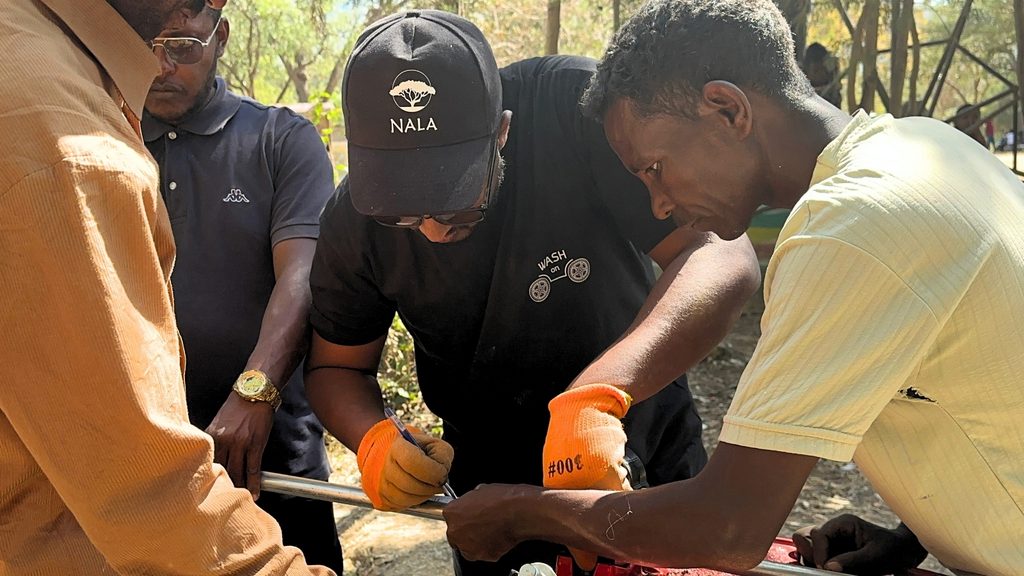
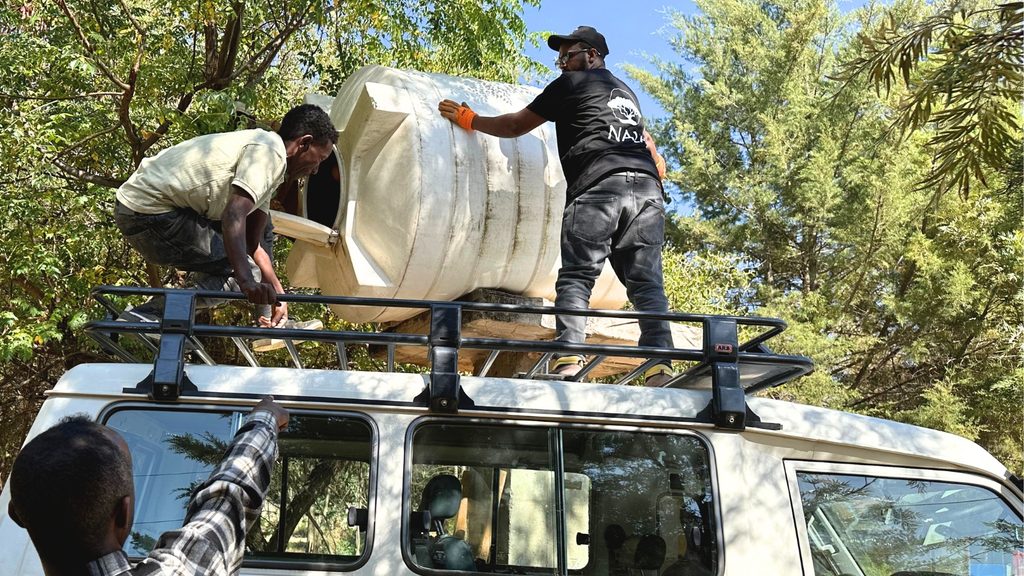
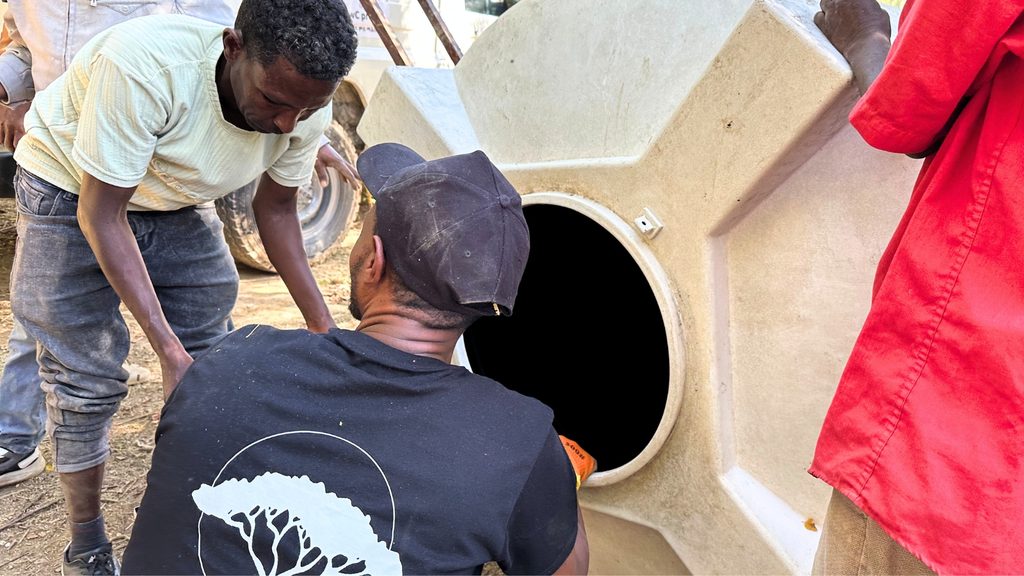
Using the skills he had developed through the WASH Fellow programme, Birhane worked with his team to repair the damaged components and restore the hand pump.
But they did not work alone.
Teachers, parents, students and other community members participated in the process, helping with excavation, preparing the site and repairing the fence around the water point. The school also established a WASH Club and a Water, Sanitation and Hygiene Committee to help monitor and care for the system.
For Birhane, that shared ownership matters.
“They now trust me more and I can serve them better.”
What happens after the repair?
Restoring a water system is important. Keeping it working is where sustainability begins.
Today, Birhane says communities contact him directly when they experience problems with their water systems. They organise the materials they need locally, and he supports them in finding and implementing a solution.
He estimates that almost 90% of the systems his team has maintained are still functioning.
That is the wider purpose of NALA’s WASH Fellow approach.
Instead of knowledge leaving when an external team leaves, technical capacity remains within the local system. Problems can be identified earlier. Repairs can happen closer to where they are needed. Communities can participate in maintaining the infrastructure they rely on every day.
And functioning water systems help create the conditions needed for better health.
Prevention that is built to last
Safe water, sanitation and hygiene are essential parts of preventing neglected tropical diseases and other health risks. But infrastructure alone is not enough. A water point that cannot be maintained may eventually stop providing the protection it was intended to create.
That is why NALA invests not only in repairing systems, but in people, skills and local ownership.
Birhane’s story shows what this means on the ground: a local WASH Fellow with the knowledge to respond, communities actively involved in maintaining their water systems, and skills that continue to be used long after a single repair is completed.
For Birhane, the change is also personal. He says the experience and skills he gained have strengthened his relationship with the communities he serves. When a problem emerges, people know who they can turn to locally.
That is sustainable disease prevention: not a solution delivered once, but local capacity that can respond again and again.