
2023–Present, Bench Sheko Zone (formerly Bench Maji), Ethiopia
This joint initiative between the Ethiopian Ministry of Health, Merck and NALA, has led to an 89.9 percent reduction in schistosomiasis prevalence in the zonal capital of Mizan Aman. Since its launch in 2017, the partnership has combined intensive health education, community engagement, and close collaboration with local leaders to reach hundreds of thousands of people across Bench Sheko. Schools, households, and riverside communities became active participants in prevention, supported by coordinated efforts between the NTD and WASH sectors. Through this approach, the project helped increase knowledge, shift daily behaviors, and significantly reduce disease across multiple districts
Building on this foundation, the focus lies now on sustaining gains and embedding prevention within government systems. The aim is clear: move from impact to integration. After demonstrating what’s possible through community engagement and education, the project now prioritizes long-term health literacy and local capacity building. The third phase is centered on three key strategies: establishing a government-led integrated monitoring framework, enhancing multisectoral coordination, and integrating hygiene education into the primary school curriculum to ensure structured, government-led delivery.
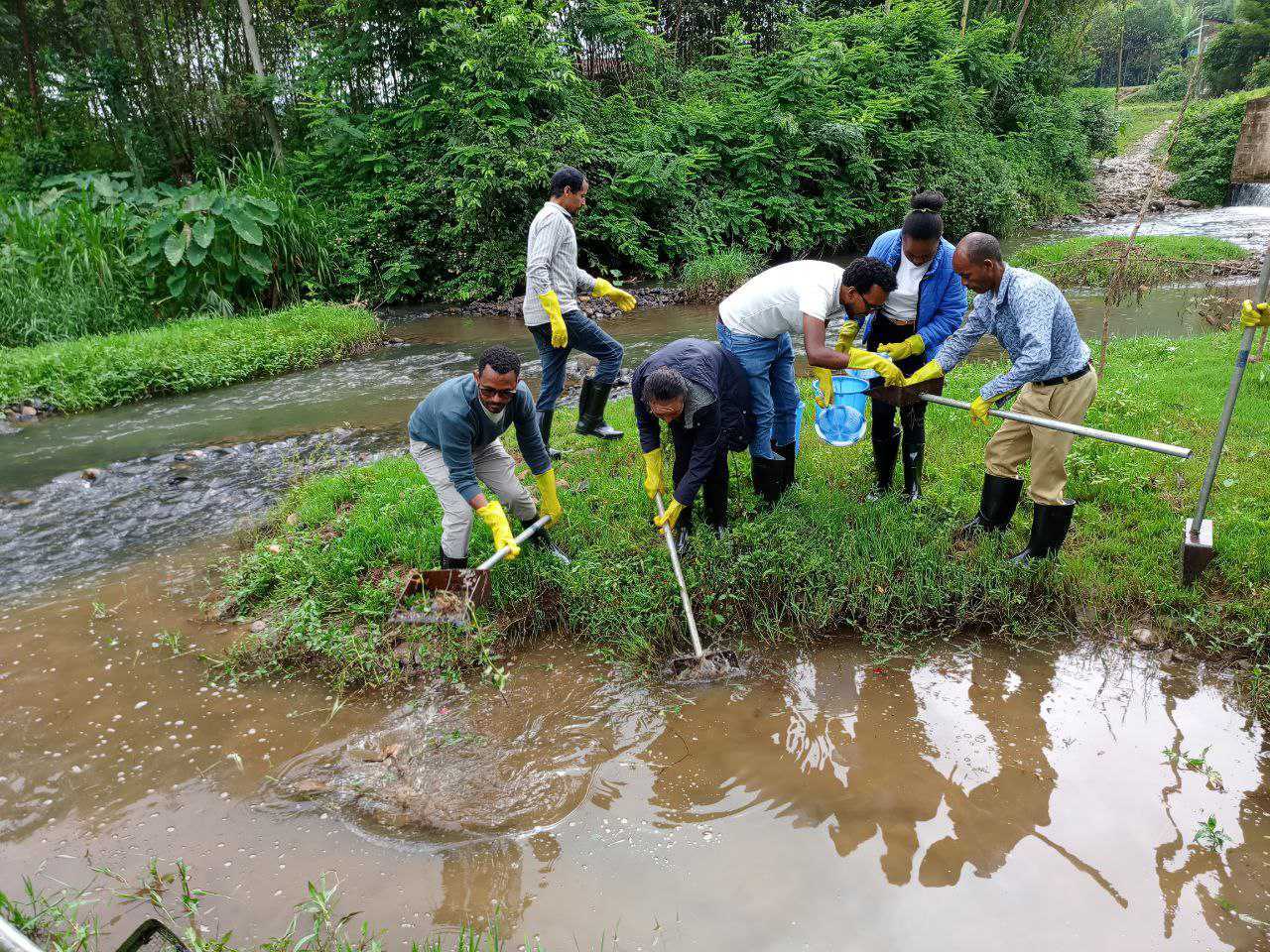
These efforts are complemented by targeted support for mass drug administration (MDA), training of local environmental monitoring teams, and regular community assessments to guide decision-making. Each component is designed to work within the government’s existing structure, strengthening local ownership and responsiveness.
The project is rooted in the understanding that sustainable elimination requires more than reducing prevalence. It requires building the systems that prevent resurgence. By embedding monitoring tools, education materials, and coordination mechanisms into health and education systems, this phase is helping Bench Maji move toward sustainable control, setting an example for other zones across Ethiopia.