
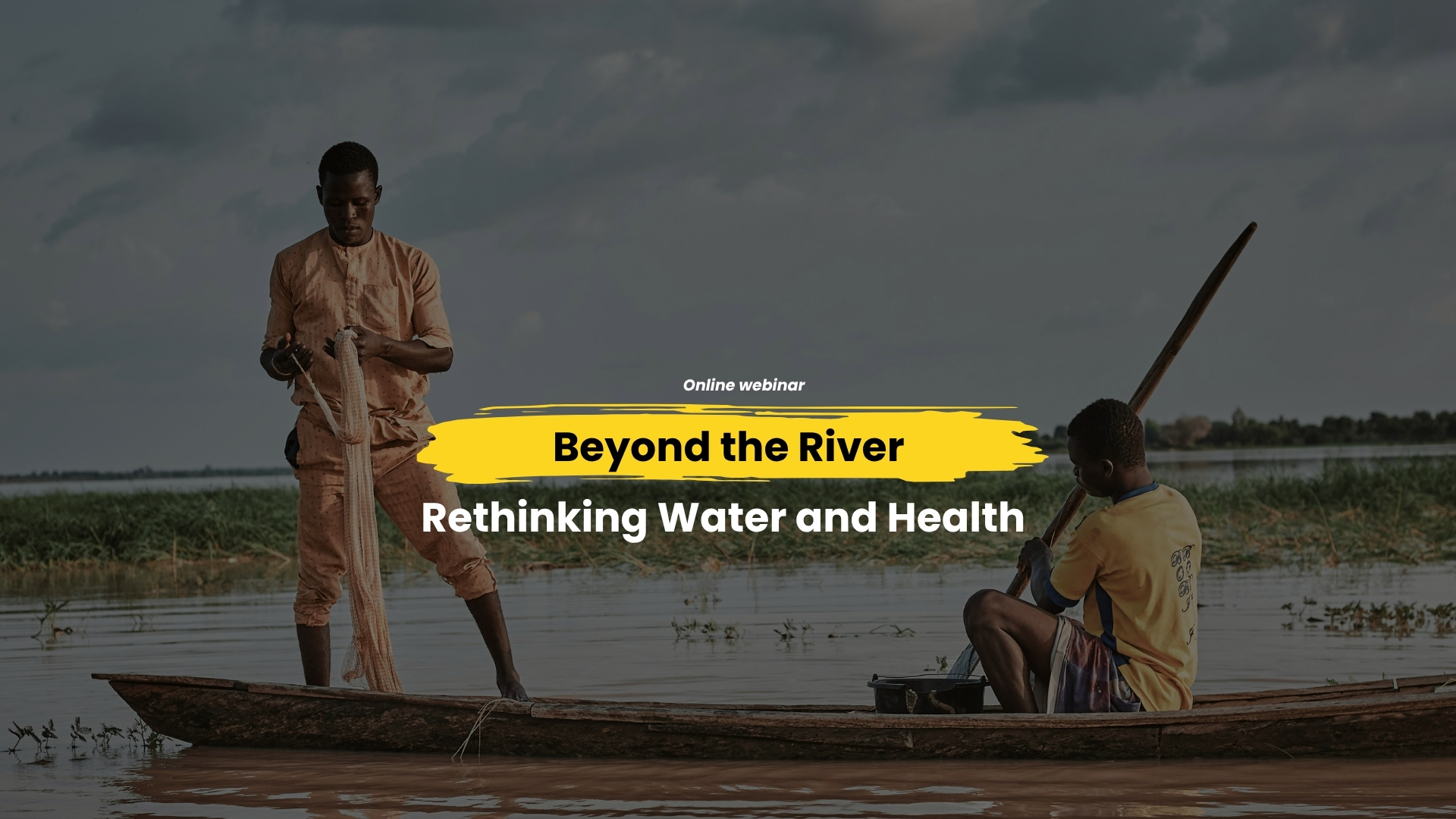
On 24 June 2026, NALA, in collaboration with the Neglected Tropical Disease NGO Network (NNN) WASH Working Group, hosted an online webinar titled: Life Around the River: Rethinking Water and Health, bringing together global experts, government representatives and practitioners to explore how water, sanitation and hygiene can drive sustainable disease prevention.
The discussion included perspectives from Ethiopia, Tanzania, Kenya and Egypt, with reflections from UNICEF, and focused on how WASH, community engagement, environmental management and data-driven action can help break the cycle of neglected tropical diseases.
For millions of people, rivers, lakes and streams are part of everyday life. They are places to collect water, wash clothes, bathe, play, fish and farm. But where safe water, sanitation and hygiene are lacking, the same activities that sustain daily life can also expose communities to infection. This is why the webinar focused not only on treatment, but on prevention. The central message was clear: treatment is essential, but treatment alone is not enough to prevent reinfection.
“Water is an essential part of the transmission cycle, and that is also where disease prevention has to begin. This goes beyond infrastructure. It depends on social and behavior change, community engagement, collaboration across sectors and sustained investment.” – Yael Velleman, Director of Policy and Innovation at Unlimited Health
For diseases such as schistosomiasis, trachoma and intestinal worms, medical treatment can reduce infection and disease burden. But if people return to the same unsafe water sources and environments where transmission continues, the cycle of disease can begin again.
As Nisan Zerai Kesete, NALA Ethiopia Country Director, noted during the webinar, relying on treatment alone is like “pouring money into a leaky bucket.” To achieve lasting impact, prevention must address the conditions that allow infection and reinfection to continue.
Speakers highlighted that WASH must be understood not only as a development priority, but as a core part of disease prevention. Sustainable elimination requires functioning water systems, behavior change, community engagement, environmental management, strong government ownership and collaboration across sectors.
NALA shared practical examples from Ethiopia, including its WASH on Wheels model. The approach focuses on rehabilitating existing non-functional water infrastructure in schools and health facilities, while training local government officers and communities to maintain systems over time. This helps ensure that water access does not disappear once repair work is completed.
The webinar also highlighted the importance of data-driven prevention. NALA’s work on participatory snail mapping shows how community knowledge, environmental data and field research can help identify specific water-contact sites where schistosomiasis transmission is most likely to occur. This allows governments and partners to move from broad interventions to more targeted action.
A key message from the discussion was that communities must not be treated as passive recipients of support. As Ida Marie Ameda, Malaria and NTD Global Technical Lead at UNICEF, reflected, communities play an essential role in identifying risks, designing solutions and leading change.
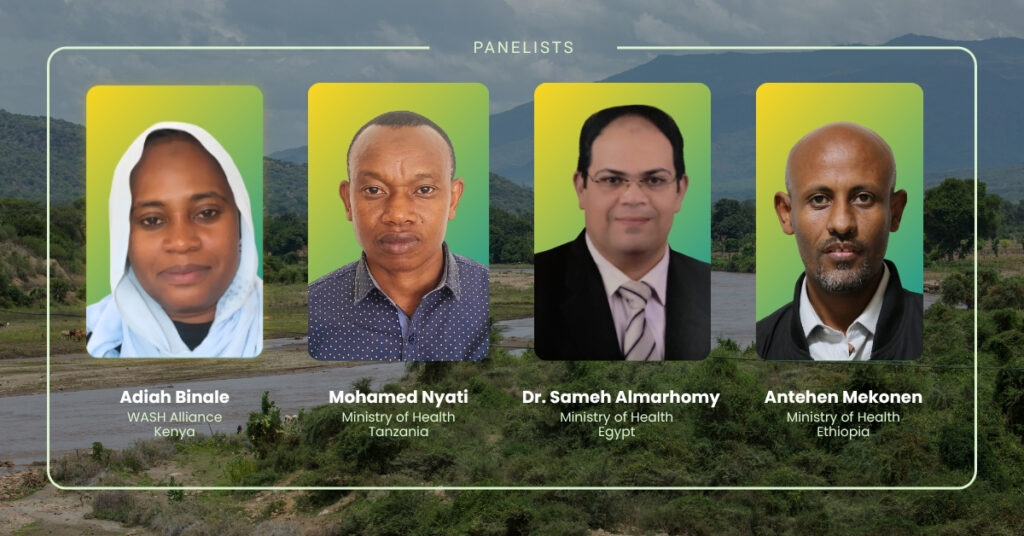
Country experiences also showed that there is no single solution. Egypt’s experience demonstrated the value of combining treatment with snail control, health education, environmental sanitation, community participation and strong political commitment. Panelists from Tanzania, Kenya and Ethiopia highlighted similar priorities, including better integration between WASH and NTD programmes, improved data sharing, flexible funding and stronger coordination between health, water, education, agriculture and local government systems.
As Fikre Seife, NALA Project Manager and co-chair of the NNN WASH Working Group, summarized during the panel, water should not be seen only as a development issue. It must also be recognized as a way to break disease transmission cycles.
The webinar closed with a call to continue investing not only in treatment, but also in prevention. If the global health community is serious about eliminating neglected tropical diseases, prevention must begin where transmission begins.
NALA thanks the NNN WASH Working Group, UNICEF, all speakers, panelists, partners and participants for contributing to this important discussion.