
For millions of women around the world, a visit to the clinic is not just about pain or symptoms – it is about fear. Fear of being judged. Fear of being misunderstood. Fear of being labelled with a sexually transmitted infection they may not even have. Fear that speaking up will cost them dignity, trust, or safety.
This International Women’s Day, as we reflect on the theme #GiveToGain, we are reminded that progress in global health does not come from innovation alone. It comes from listening. From trust. And from ensuring that women’s voices are not just heard, but believed.
Women, Inequality, and Neglected Tropical Diseases
International Women’s Day is a moment to celebrate progress, but also to confront the inequities that persist in global health. Among the most overlooked are neglected tropical diseases (NTDs), a group of preventable and treatable conditions that affect over one billion people worldwide, according to the World Health Organisation (1).
While NTDs affect entire communities, their burden is not shared equally. Women and girls often face greater exposure due to gendered roles such as water collection, washing clothes, and caregiving (2). Yet they also face greater barriers to care, including stigma, misdiagnosis, and exclusion from health programs that were never designed with their needs in mind.
This is not just a health issue. It is an equity issue, and it is one that demands attention.
A Hidden Condition, Carried in Silence
One of the clearest examples of this inequity is female genital schistosomiasis (FGS), a condition that affects an estimated 56 million women and girls worldwide (3).
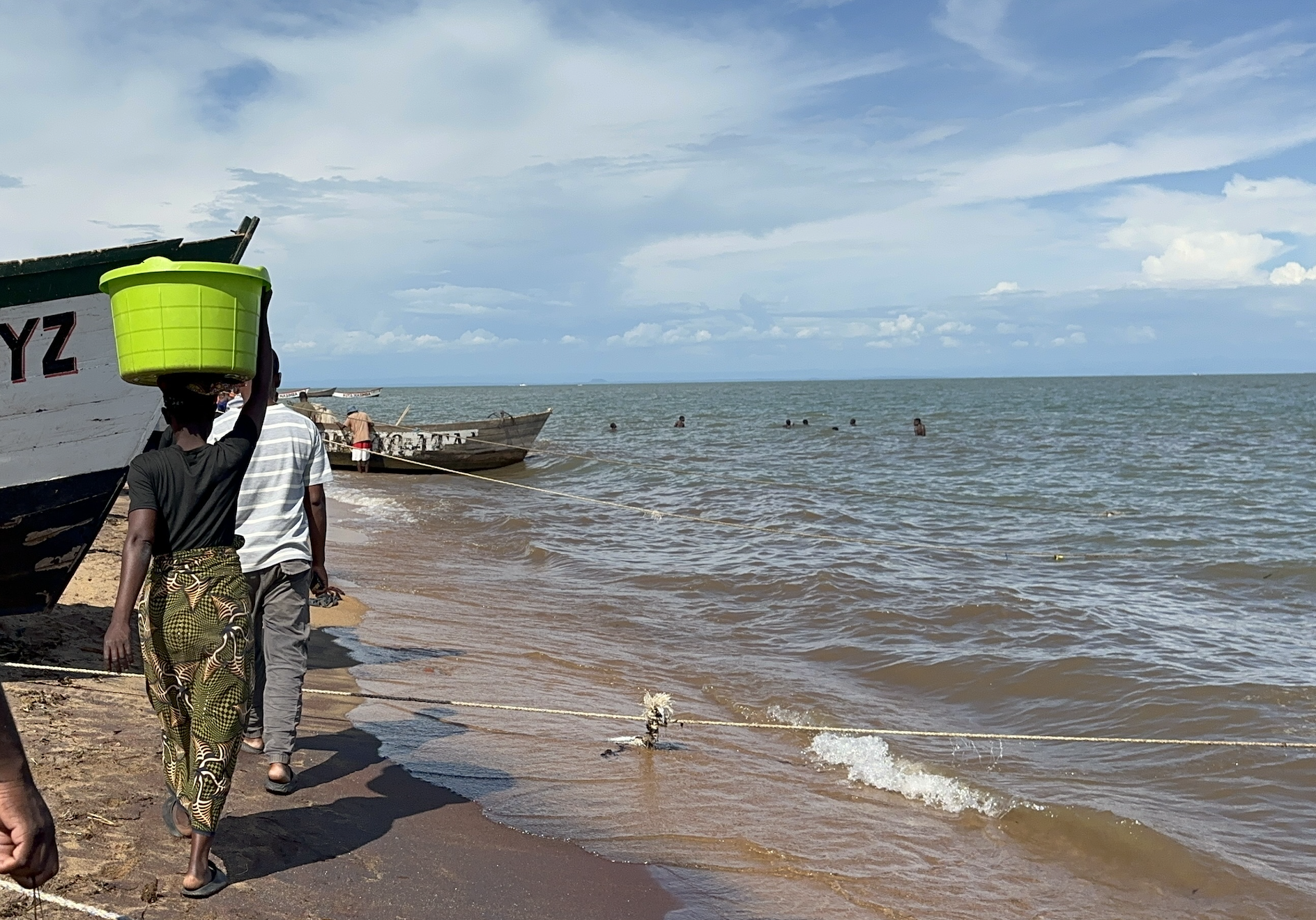
FGS arises from infection with Schistosoma haematobium, a parasitic worm released into freshwater by infected snails. When women and girls come into contact with contaminated rivers, lakes, or streams – often through everyday domestic activities such as bathing, washing clothes, or collecting water – microscopic larvae penetrate the skin and enter the body. Some eggs become lodged in genital tissues, causing chronic inflammation and damage.
The health consequences can be severe: persistent pain, abnormal bleeding, infertility, complications in pregnancy, and increased vulnerability to HIV. And yet, FGS remains largely invisible, both within health systems and within communities.
Why? Because its symptoms closely resemble those of sexually transmitted infections.
Stigma, Misdiagnosis, and the Cost of Seeking Care
For many women, the experience of FGS is not just physical – it is deeply social.
Symptoms such as vaginal discharge, bleeding, or pain during sex are often mistaken for STIs. In settings where sexual health is heavily stigmatised, this mislabelling carries serious consequences. Women may be accused of infidelity. Young girls may face shame or punishment, and trust in healthcare providers can be broken in a single encounter.
As a result, many women delay seeking care or avoid it altogether. Not because they do not need help, but because the cost of being misunderstood is too high.
This cycle of stigma and silence means women live with symptoms for years, often without answers or treatment. FGS has been a neglected condition among already neglected diseases, as its true burden is unclear due to diagnostic gaps and fear of stigma. And when women’s experiences are dismissed or misinterpreted, health systems fail – not just clinically, but ethically.
Progress and the Gaps That Remain
The global health community has begun to acknowledge these challenges. The WHO NTD roadmap and growing advocacy efforts increasingly recognise the need to address gender, equity, and human rights in NTD responses.
Despite this, important gaps remain:
Siloed Services: NTD and reproductive health services are rarely integrated.
Demographic Gaps: Preventive treatments often overlook adolescent girls and adult women.
Data Invisibility: Limited data on women’s specific experiences fuels the cycle of misdiagnosis.
Unfortunately, stigma and lack of awareness continues to silence those most affected.
#GiveToGain: What Happens When We Listen
When visibility is given to conditions like FGS, better data, stronger policies, and programs grounded in reality can emerge. Visibility transforms a “hidden” condition into a recognised public health priority.
Reducing stigma is equally essential. When women can seek care without fear of judgment they are more likely to access services early. Trust in health systems improves, women become healthier, and resources are used more effectively.
When knowledge among healthcare workers, community leaders, and decision-makers is expanded, awareness is improved – enabling accurate diagnosis, appropriate treatment, and integrated care that addresses both physical and social consequences of the disease.
Finally, ensuring that women’s voices are heard strengthens the foundations of effective healthcare: trust. (#GiveVoiceToGainTrust.) When women are recognized as partners in care rather than passive recipients of services, they become advocates for their communities, and powerful agents of change.
From principles to practice: NALA’s approach
These principles are not only aspirational; they are already shaping how NTDs are addressed on the ground. Through NALA’s partnerships, we see how prevention, education, and community engagement can help close the gaps that have long left conditions such as FGS overlooked.
This means integrating NTD services into sexual and reproductive health care. It means training healthcare workers to recognise FGS and address it without judgement. It also means investing in community-led education that dismantles stigma rather than reinforcing it. Most importantly, it means ensuring that women and girls affected by NTDs are included in the conversations that shape health policies and programs.
This International Women’s Day, the message behind #GiveToGain is clear: when women’s health is recognized, everyone benefits. Addressing FGS requires more than treatment, it requires listening, trust, and systems that take women’s experiences seriously. By investing in awareness, integrating care, and ensuring that women and girls are included in the decisions that shape health programs, the cycle of silence and stigma can begin to break. Because when women are given knowledge, dignity, and a voice in their own care, communities become healthier and health systems become stronger, and everyone gains.
References: